Skip to content Skip to footer

products

Description:

Ordinary Portland Cement is a versatile and high-quality construction material that is widely used in various applications such as reinforced concrete, plastering, and building products like blocks, bricks, cladding, and pavements.

It complies with BS-EN 197-2011: CM I strength class 42.5 N and is equivalent to ASTM standards, with test results exceeding the required strength limits.

The product boasts physical properties including fineness, soundness, compressive strength, and initial setting time.

Applications:

Ordinary Portland Cement is suitable for all types of general cement applications, including reinforced concrete, plastering, building products like blocks, bricks, cladding, pavements, and more.

Packaging:

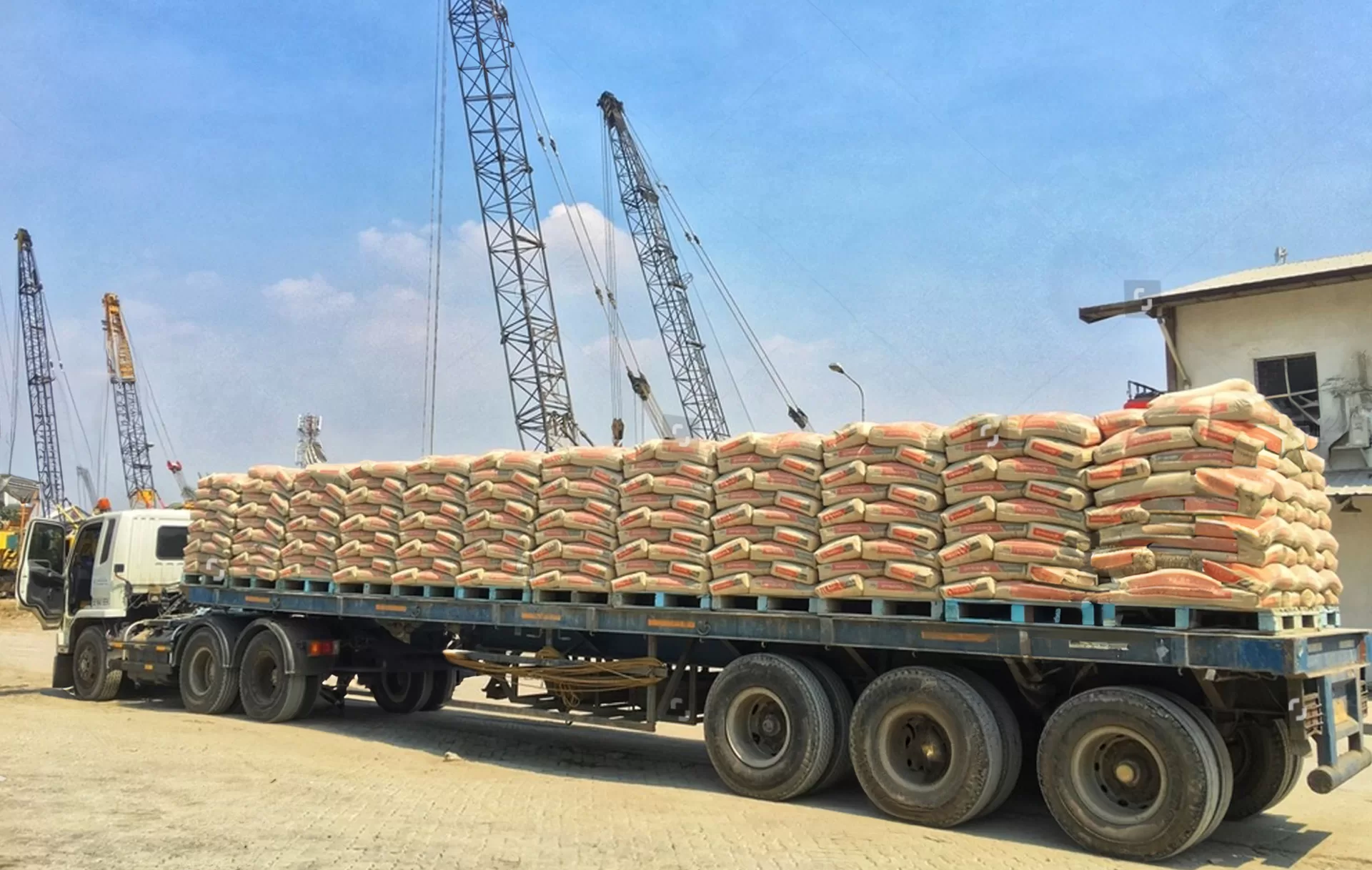
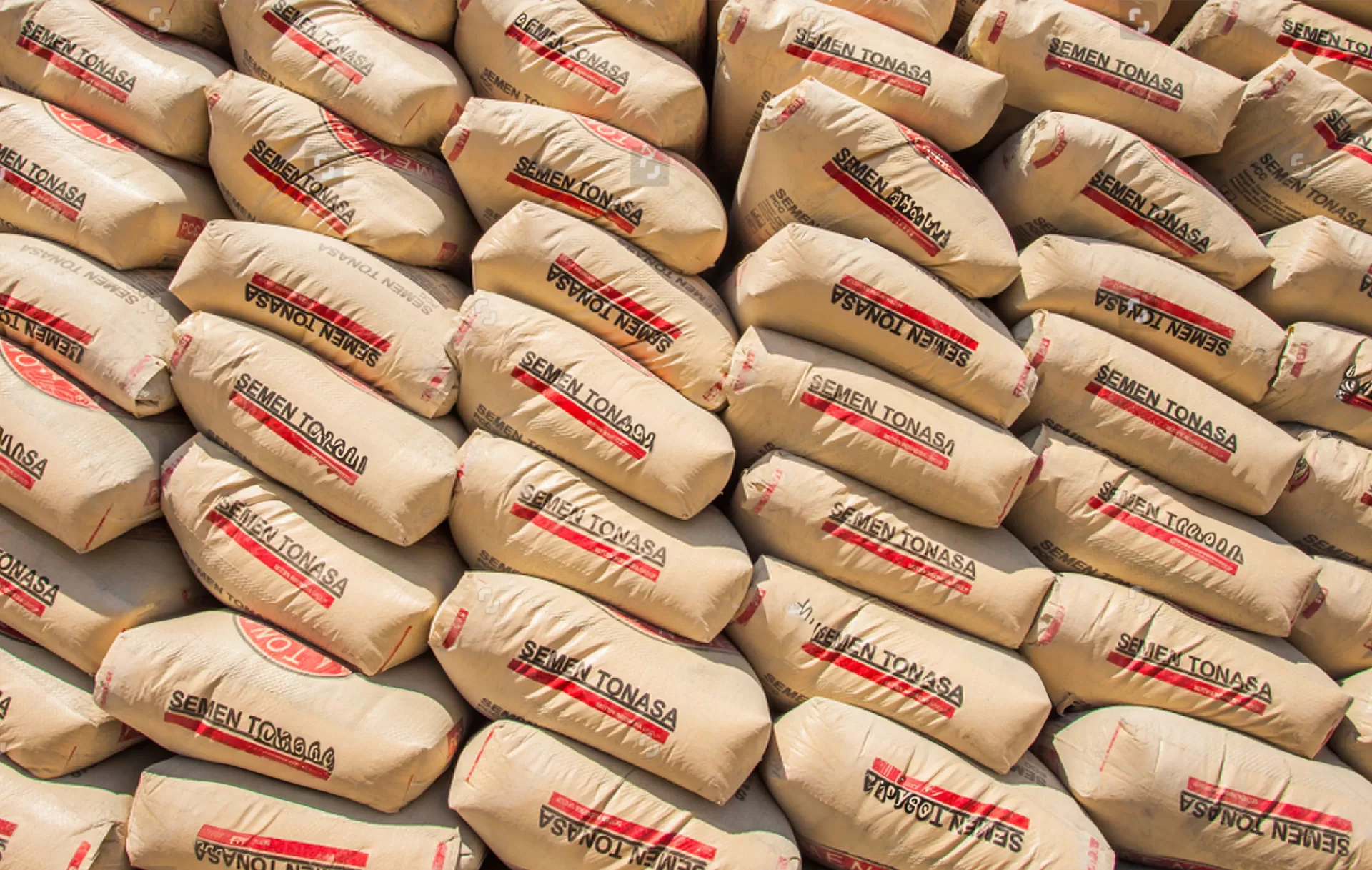
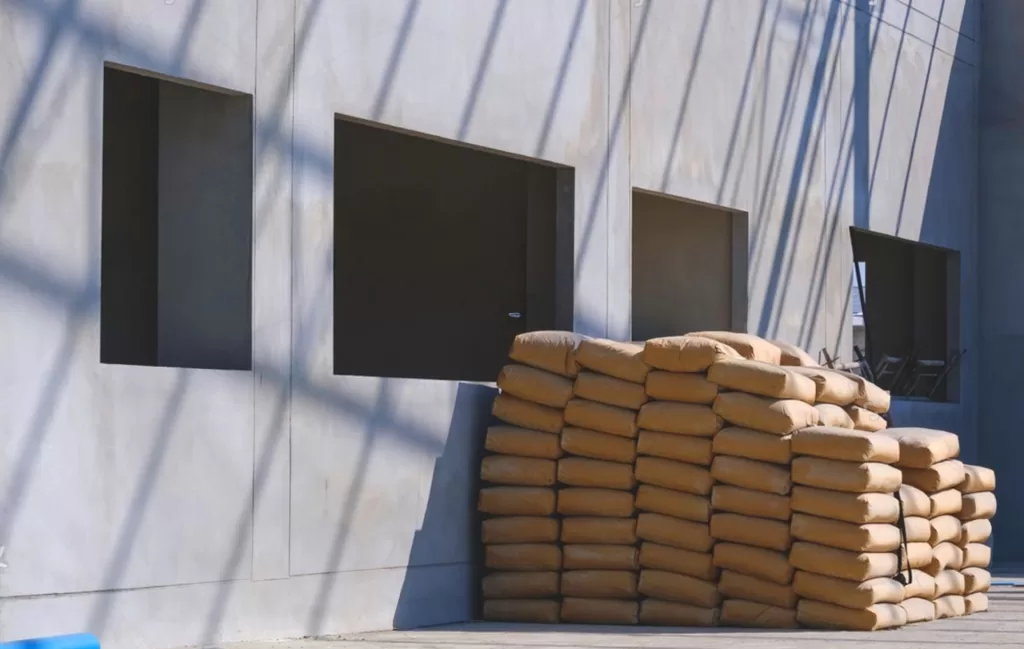
The product is available in standard packing of 50 KG in paper bags, palletized or unpalletized, or in tankers as per the requirement of users.

Description:

Sulphate Resistant Portland Cement is a type of high-quality construction material that is manufactured to comply with BS EN 197-1:2011 CEM I Strength Class 42.5 N – SR-5 and is equivalent to ASTM standards. The test results of this product exceed the required strength limits, making it a reliable and durable option for construction applications.

Applications:

This type of cement is suitable for all types of construction applications that are likely to be exposed to high sulphate content, such as subsoil conditions, including foundations, drainage structures, and storage structures.

Packaging:

Sulphate Resistant Portland Cement is available in standard packaging of 50 kg paper bags, palletized or unpalletized, or in tankers according to users’ requirements.

Description:

White cement, conforming to the EN 197-1:2000 standard and classified as CEM I Strength Class 42.5 N, is a specialized type of cement distinguished by its brilliant white color. It is manufactured using high-quality raw materials, including limestone, clay, and gypsum, through a precise manufacturing process to ensure consistent quality. White cement undergoes stringent quality control measures to meet the required specifications, resulting in a product known for its exceptional whiteness and purity.

Applications:

White cement has numerous applications in the construction industry due to its unique aesthetic appeal and performance characteristics. It is widely used for decorative concrete surfaces, providing a clean and elegant appearance in architectural designs such as facades, sculptures, and monuments. It is also preferred for tiling applications, including mosaic tiles, as it enhances the vibrancy of colors and patterns.

Packaging:

White cement is carefully packaged to preserve its quality during storage and transportation. It is typically supplied in durable, moisture-resistant bags designed to withstand handling and environmental conditions. The packaging is available in various sizes, ranging from smaller bags for residential projects to larger bags for commercial and industrial applications.

Description:

The Calcium Carbonate offered by Qatar National Cement Company (QNCC) is manufactured in compliance with BS EN 1018:2002 for industrial limestone. It is a high-quality, fine white powder with low abrasiveness. It is an essential ingredient used in various industries, including cement manufacturing, paints, plastics, paper, and water treatment.

Applications:

Calcium Carbonate is widely used in industrial applications, including the manufacture of paper, plastics, paints, coatings, adhesives, water-treatment products, and sealants.

It is also used as a filler material in construction products such as concrete and mortar. In the food and beverage industry, Calcium Carbonate is used as a dietary supplement and a natural food-coloring agent.

Packaging:

Calcium Carbonate is available in various packaging options, including bulk shipments, 25 kg or 50 kg paper bags, and 1 MT jumbo bags. Packaging can also be customized according to customer requirements.

Description:

Ground Granulated Blast Furnace Slag (GGBFS) is a high-quality construction material produced by grinding blast furnace slag into a fine powder. It is manufactured in compliance with BS EN 15167-1:2006 standards, ensuring consistent quality and performance.

By using GGBFS, construction projects can benefit from its advantageous properties, which contribute to the overall quality and longevity of structures.

Applications:

GGBFS has a wide range of applications in the construction industry. It can partially replace cement in concrete production, providing enhanced durability and reduced permeability. It is also suitable for grouting, soil stabilization, and as a base material for road construction. GGBFS offers improved workability, strength, and resistance to chemical attacks, making it a valuable ingredient in various construction projects.

Packaging:

Ground Granulated Blast Furnace Slag is available in standard bulk packaging for larger construction projects. The packaging helps maintain the integrity and quality of the product during transportation and storage.

Description:

Washed Sand is processed to remove impurities and ensure a clean, uniform particle size. It complies with the Qatar Construction Specification, which establishes standards for construction materials in the region. This sand is primarily classified as Zone 3, meaning its particle-size distribution is suitable for various construction applications.

Applications:

Washed Sand is commonly used in civil construction work, including the preparation of foundations for buildings and roads and the filling of earthworks. It is also ideal for producing cement blocks used in the construction of walls and other structures.

Packaging:

Washed Sand is supplied only in bulk quantities and is not packaged in bags. Bulk transportation is more convenient and cost-effective for large-scale construction projects. During transportation, the sand is typically covered with a tarpaulin or another protective material to keep it clean and prevent contamination.